It’s been a little over a week since we got back from Badwater 135, and I’m still trying to process the experience.
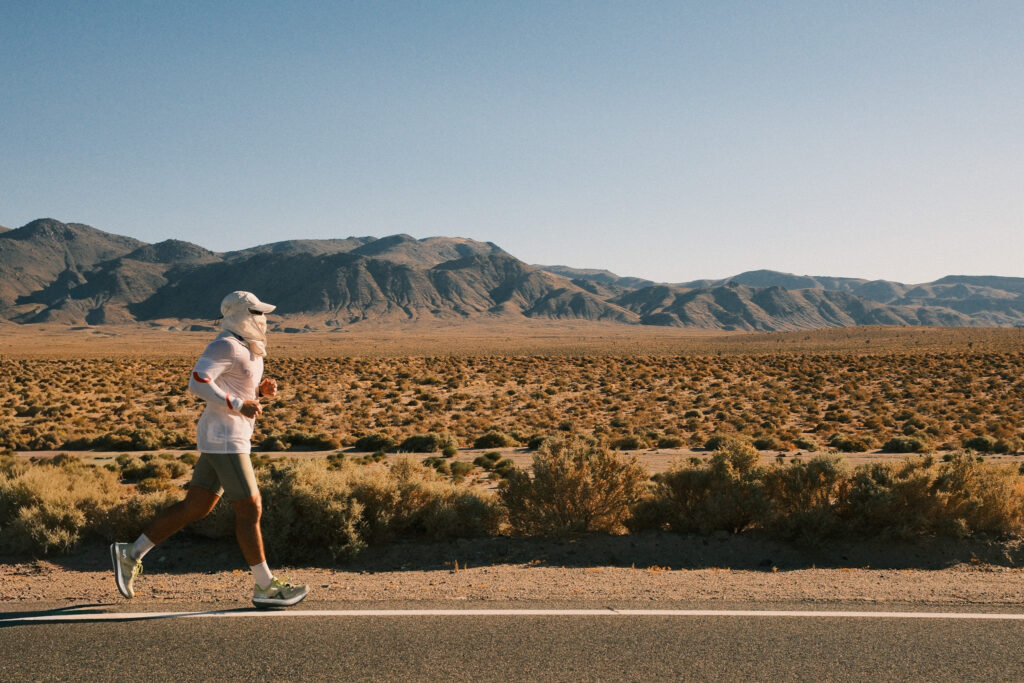
I don’t think any of us really knew what we signed up for. What we did know was that our friend Nick Cerbone was about to attempt one of the toughest foot races on Earth: 135 miles from Badwater Basin in Death Valley to the finish at Mount Whitney.
And somehow, we were going to help him get there.
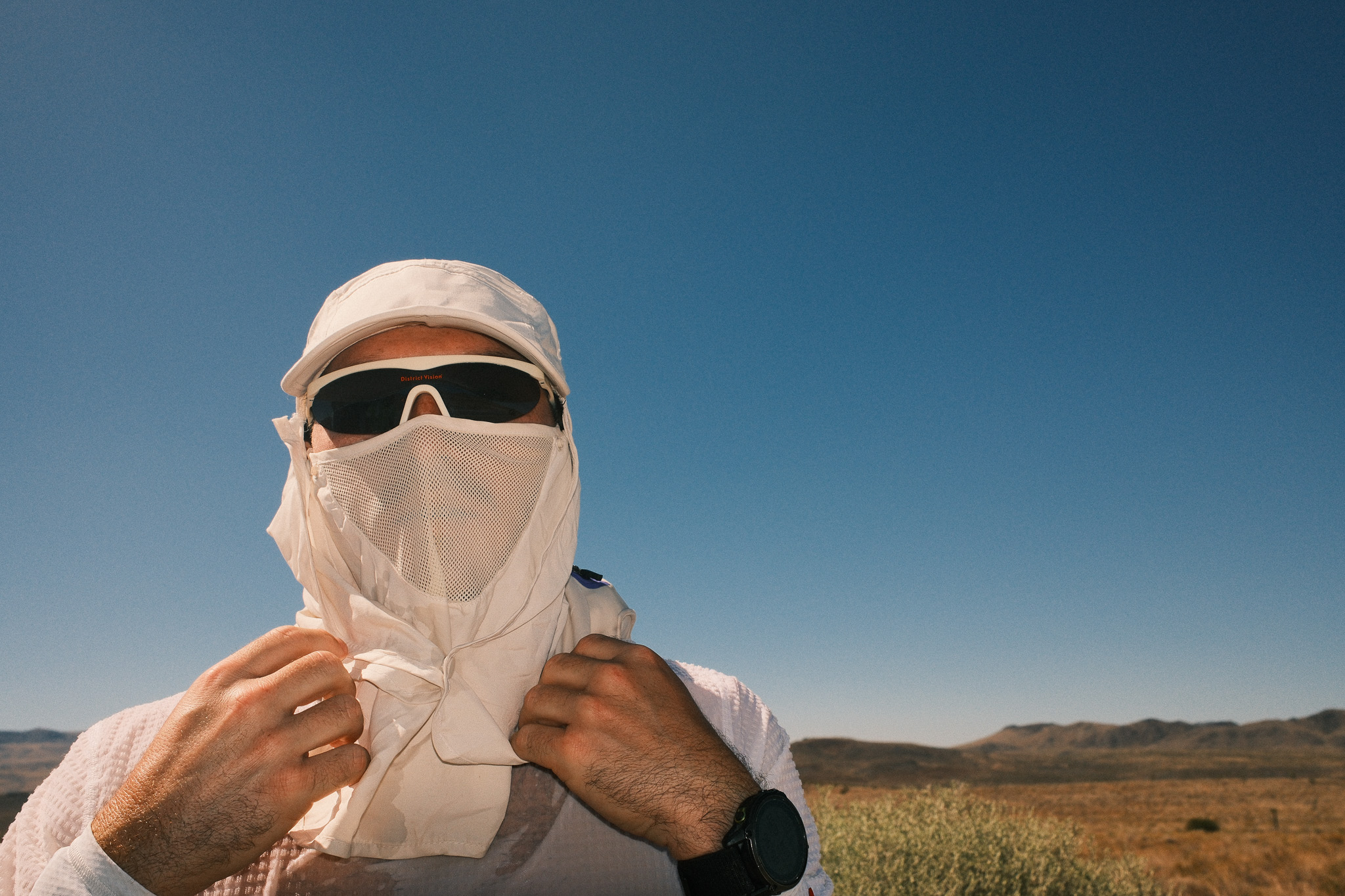
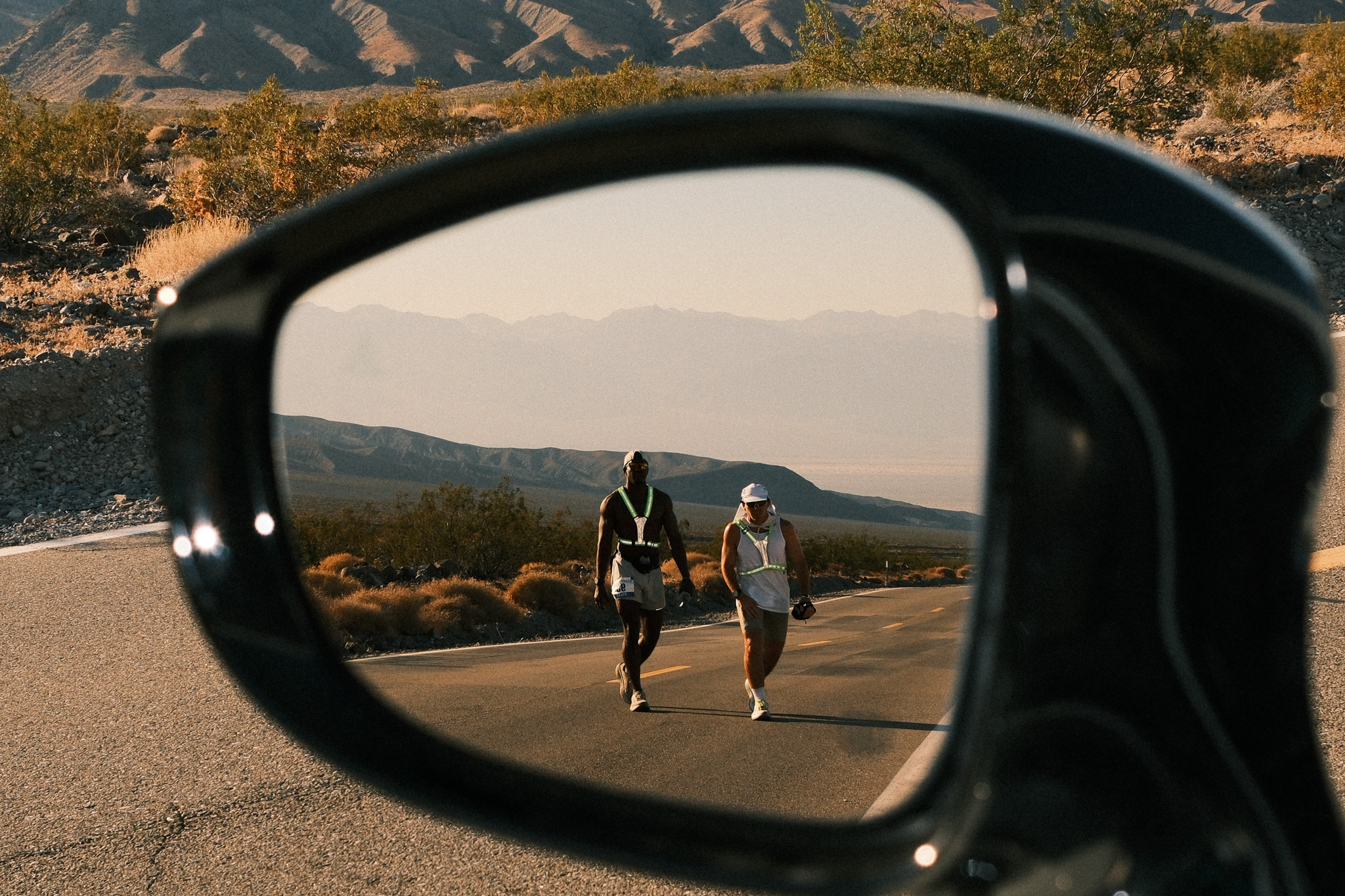
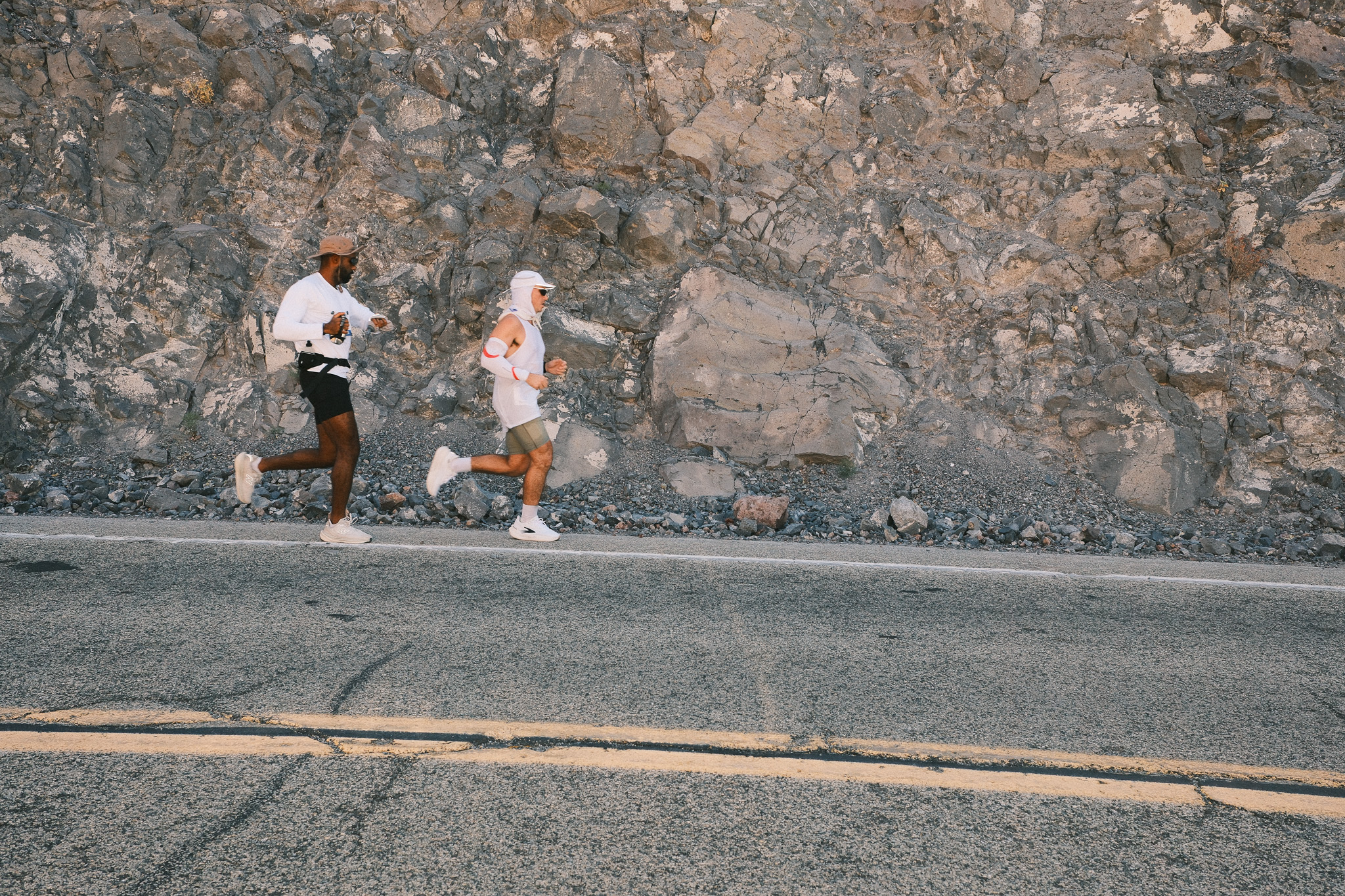
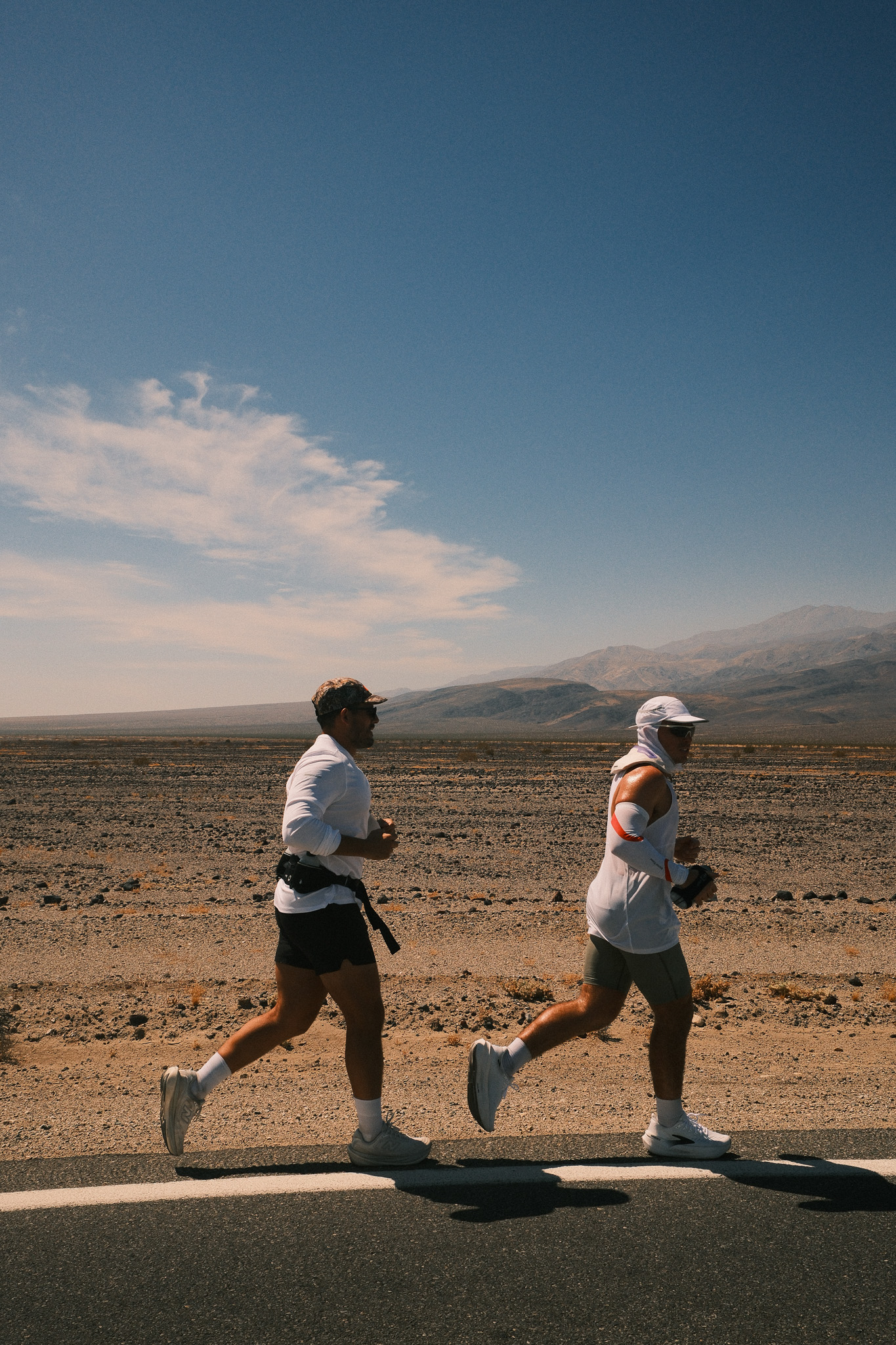
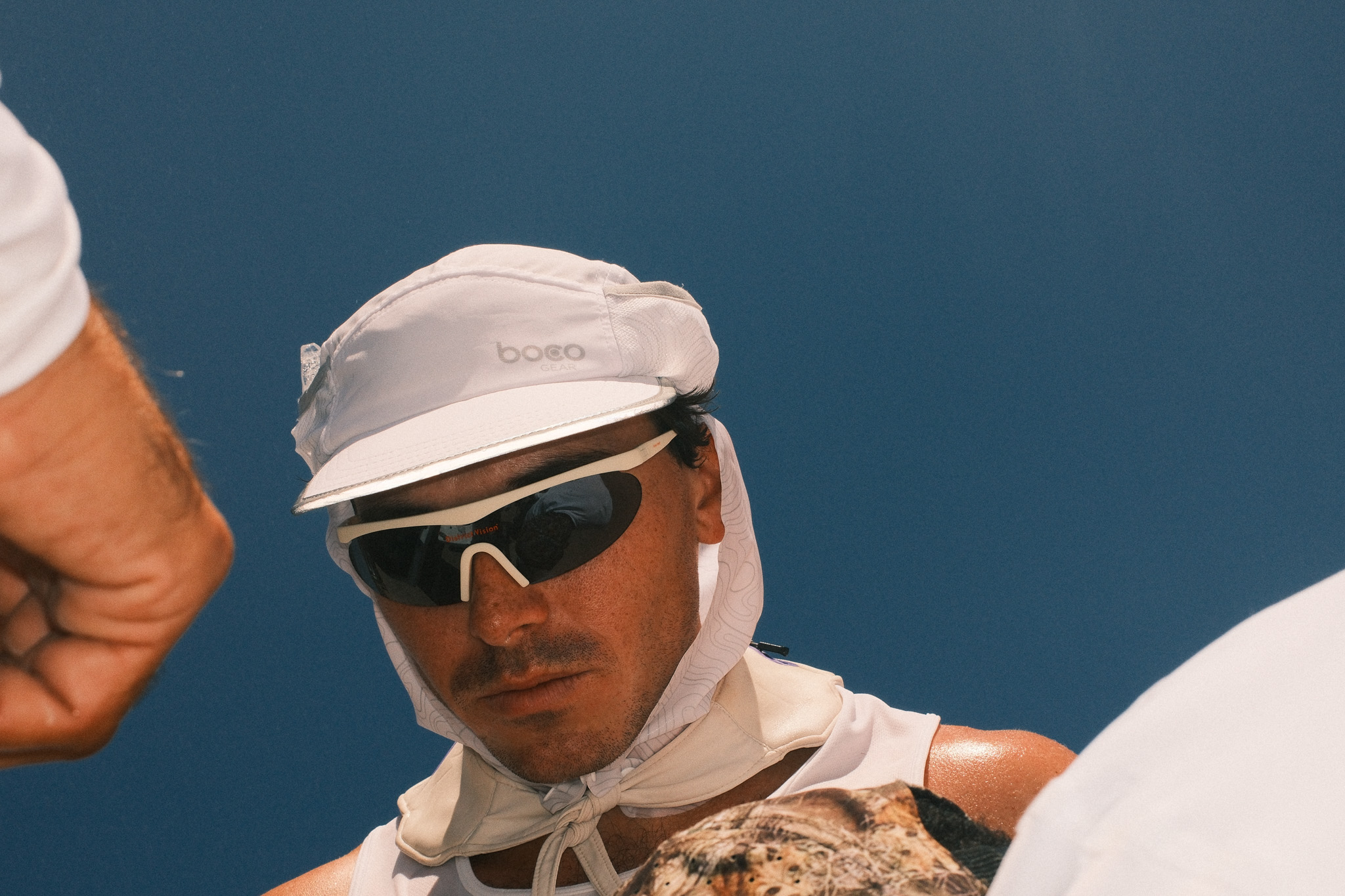
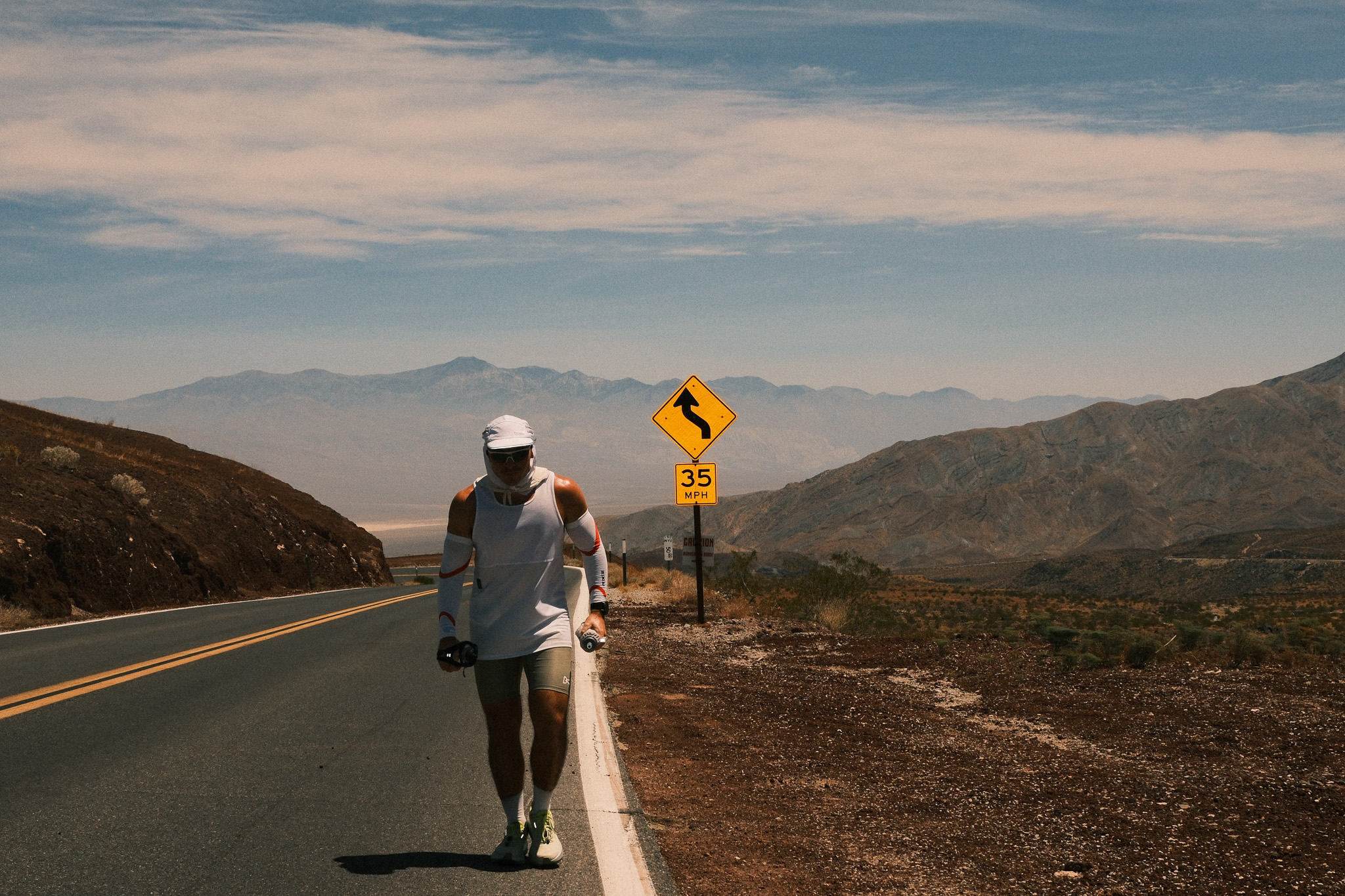
Nick would be running through Death Valley in the middle of July, with temperatures reaching well over 120 degrees and the asphalt beneath his feet becoming brutally hot. Myself and three others made up his crew, and for the next 135 miles, our only job was simple: take care of Nick and keep him moving forward.
Simple on paper. Not so simple in Death Valley.
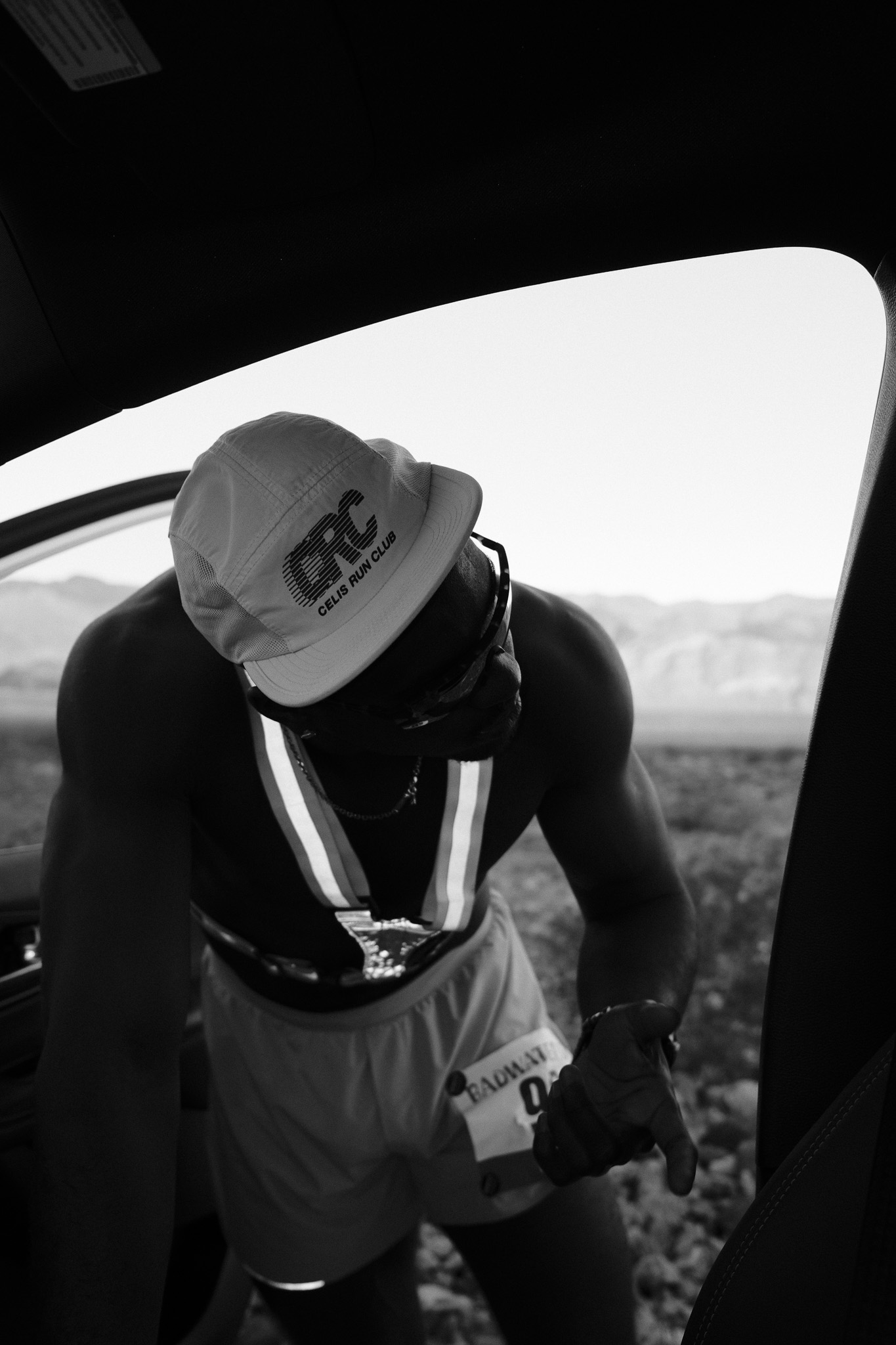
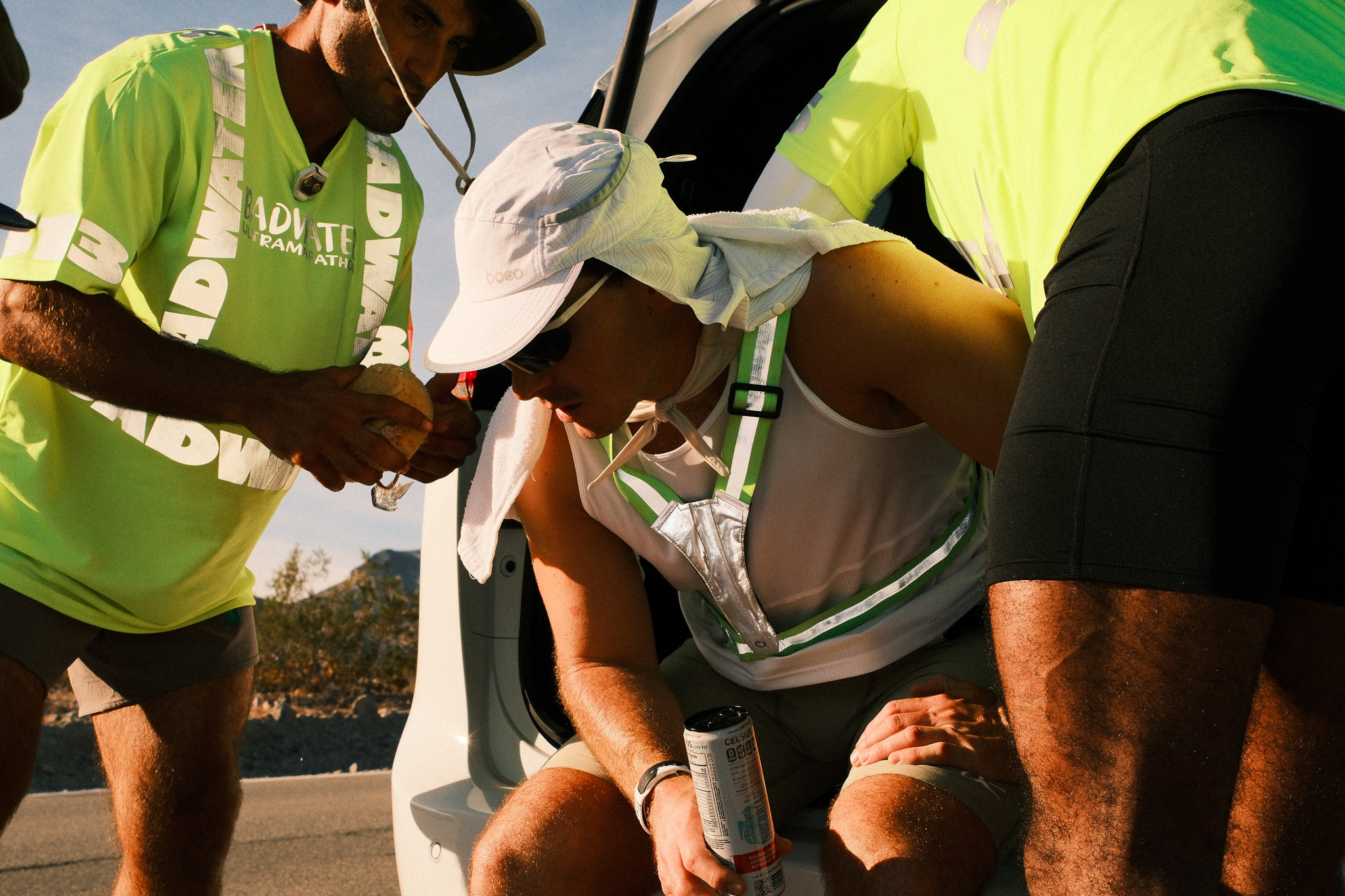
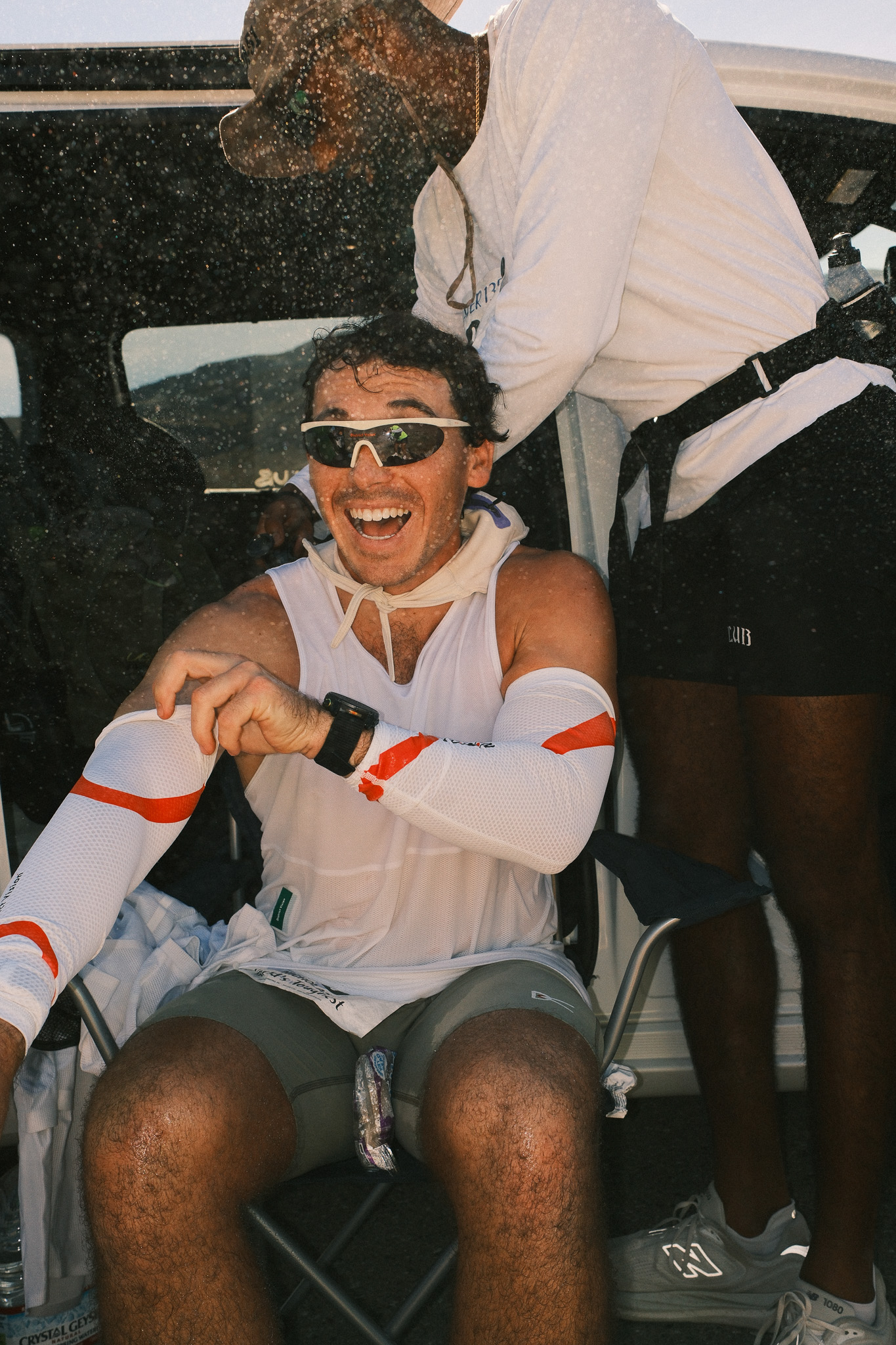
We would leapfrog roughly two miles ahead of him in our minivan, pull over, and get everything ready before he arrived. Water bottles filled. Ice ready. Nutrition prepared. Sodium and electrolytes accounted for. Food ready if he could stomach it. We were constantly watching how much he was drinking, how much he was eating, how he looked, how he was moving, and what he might need next.
Then Nick would come through, we’d take care of him as quickly as possible, pack everything back into the minivan, drive another couple miles down the road, and do it all over again.
And again.
And again.
For 135 miles.
There wasn’t much room for error. In that kind of heat, something as small as falling behind on hydration, sodium, calories, or cooling could turn into a serious problem very quickly. As the miles added up, our job became more than handing him bottles and food. We had to read him. Sometimes he needed fuel. Sometimes he needed ice. Sometimes he needed encouragement. And sometimes he just needed us to shut up and let him keep moving.
That was probably the first thing Badwater taught me: supporting someone isn’t always about pushing them. Sometimes it’s about understanding exactly what they need in that moment.
When the Miles Started Taking Over
As the race went on, the combination of exhaustion, sleep deprivation, heat, and miles started doing some crazy things to Nick.
At one point, he started hallucinating.
There was a 10×10 tent on the side of the road with string lights around it, and Nick was completely convinced it was a Sunoco gas station. Not kind of convinced. In his mind, he was looking at a Sunoco.
Eventually, he realized it was just a tent, and the confusion on his face was something I’ll never forget.
I had never witnessed someone hallucinate before. It was insane.
It was also one of those moments that made me realize just how far into this thing he was. His body and mind had been pushed to a place most of us will probably never experience, and yet he was still moving forward.
A Different Planet
Between the chaos of crewing, there were moments when I would look around and almost forget we were in the middle of a race.
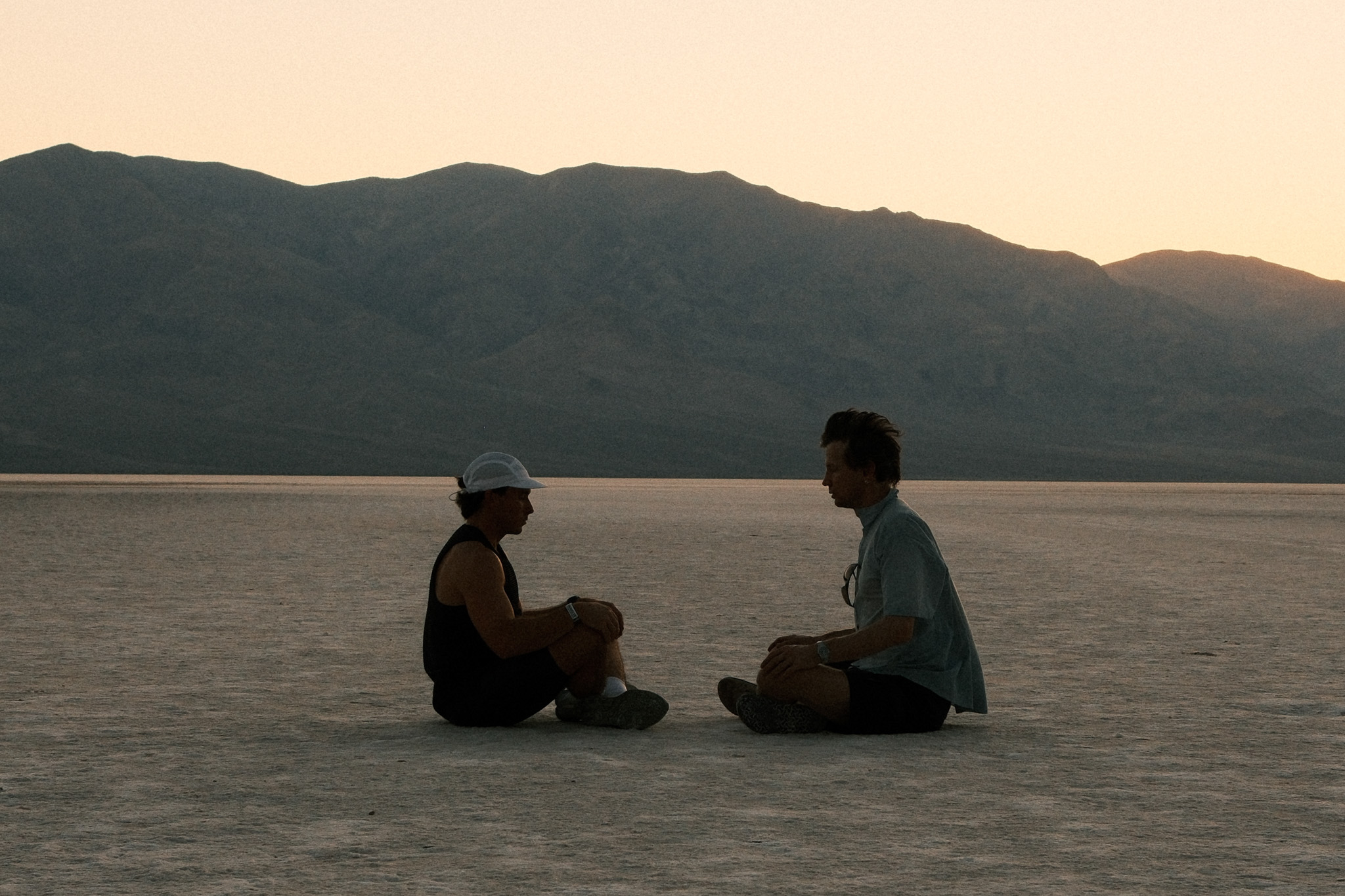
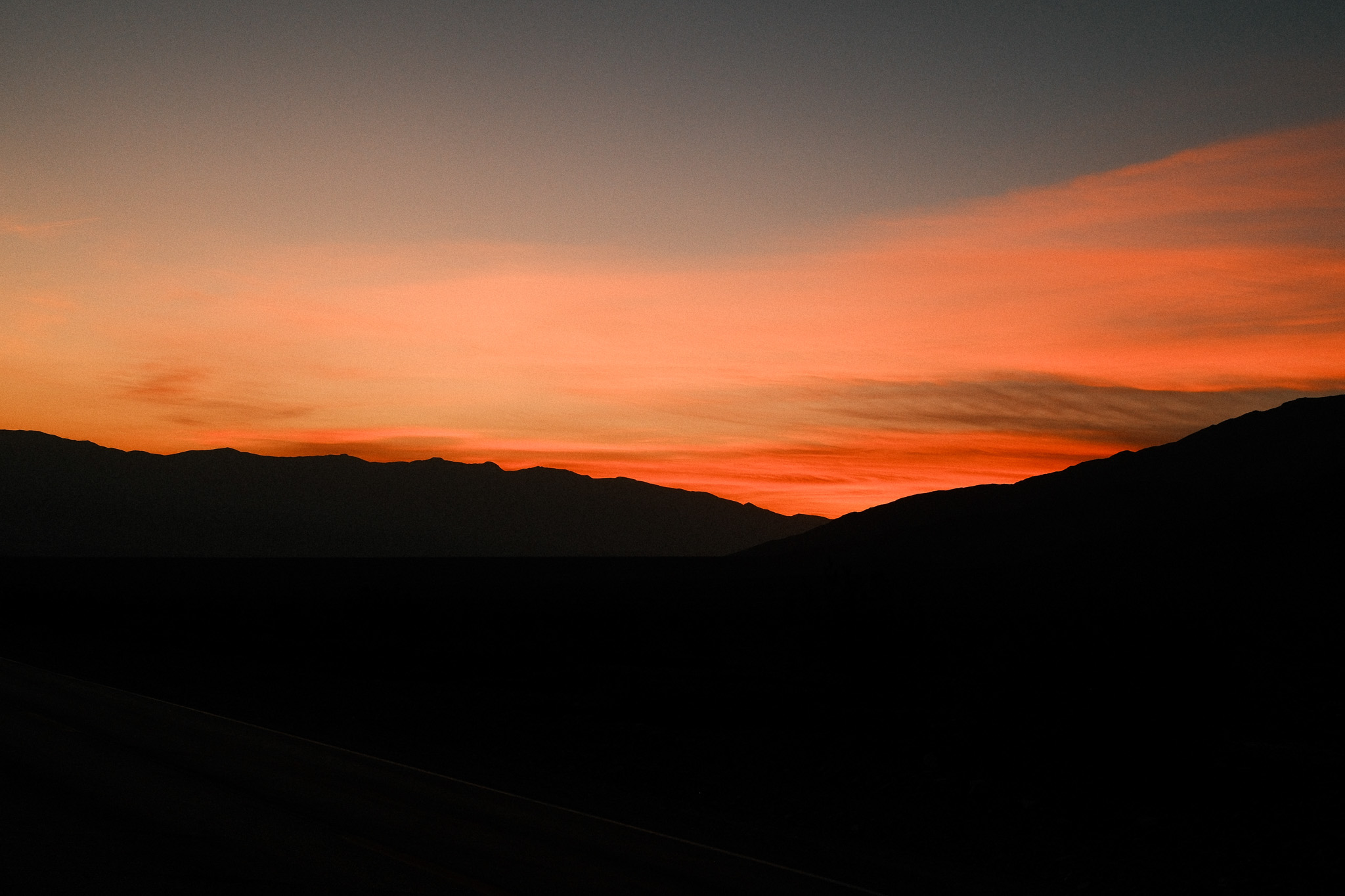
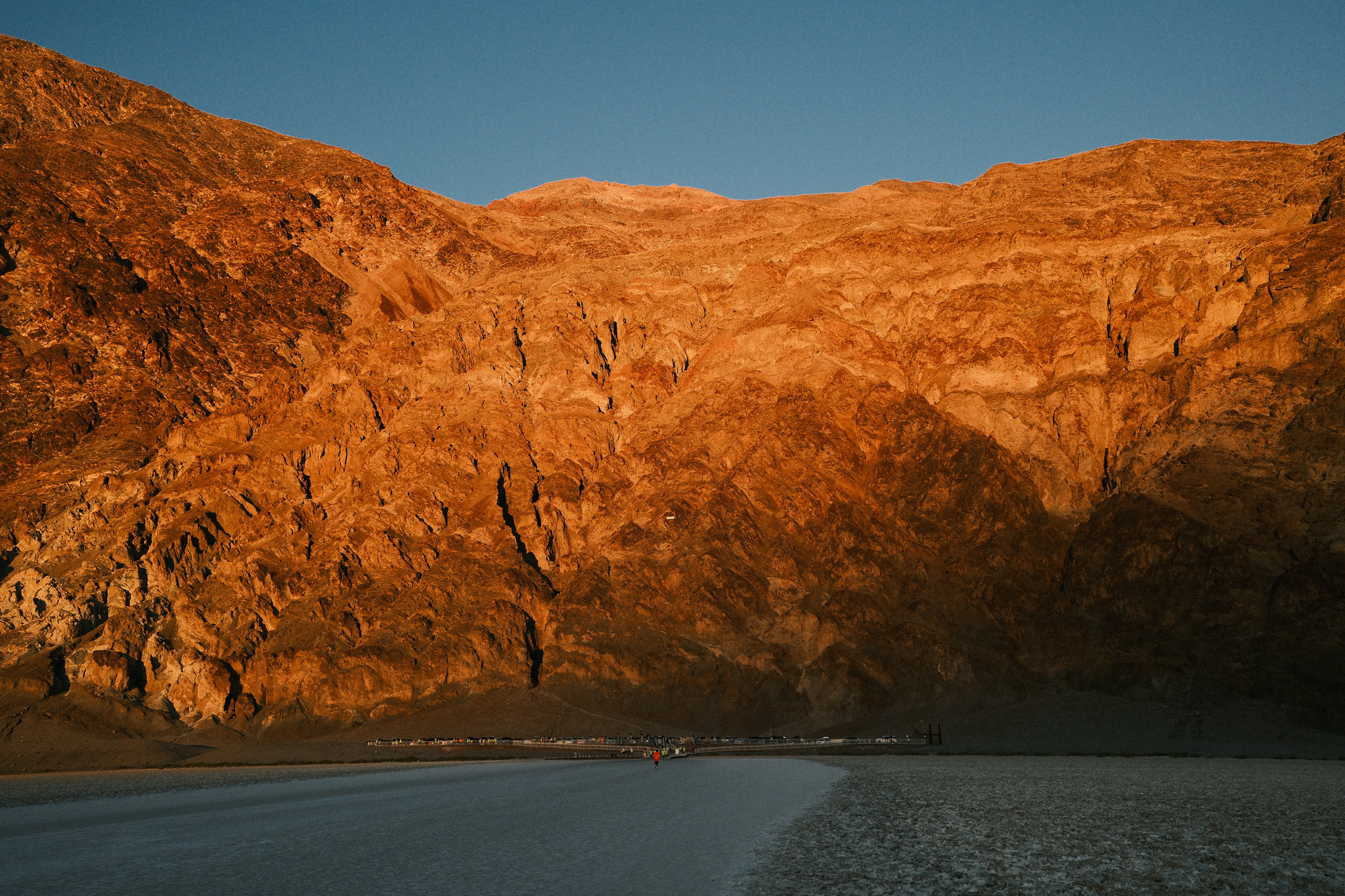
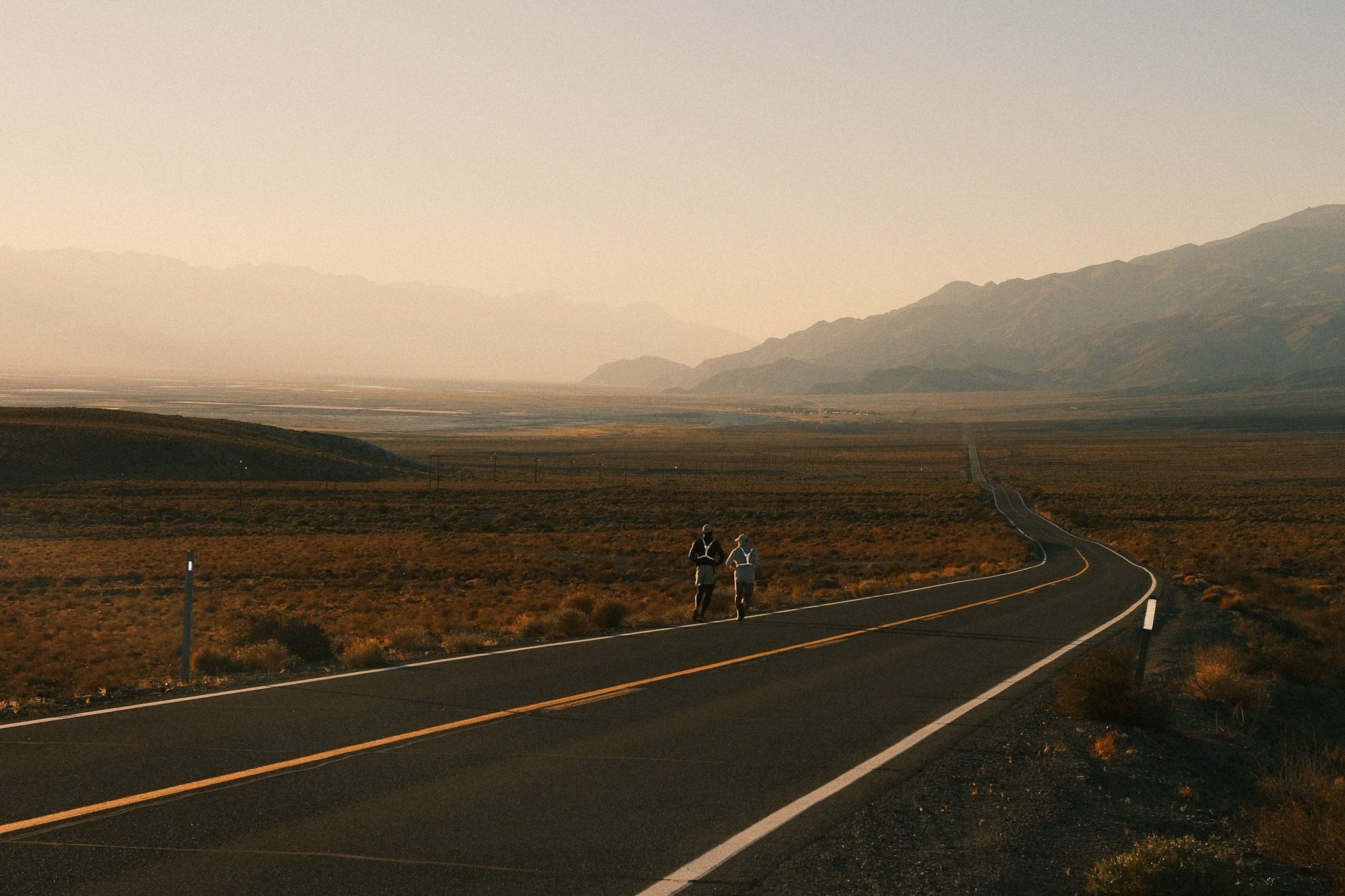
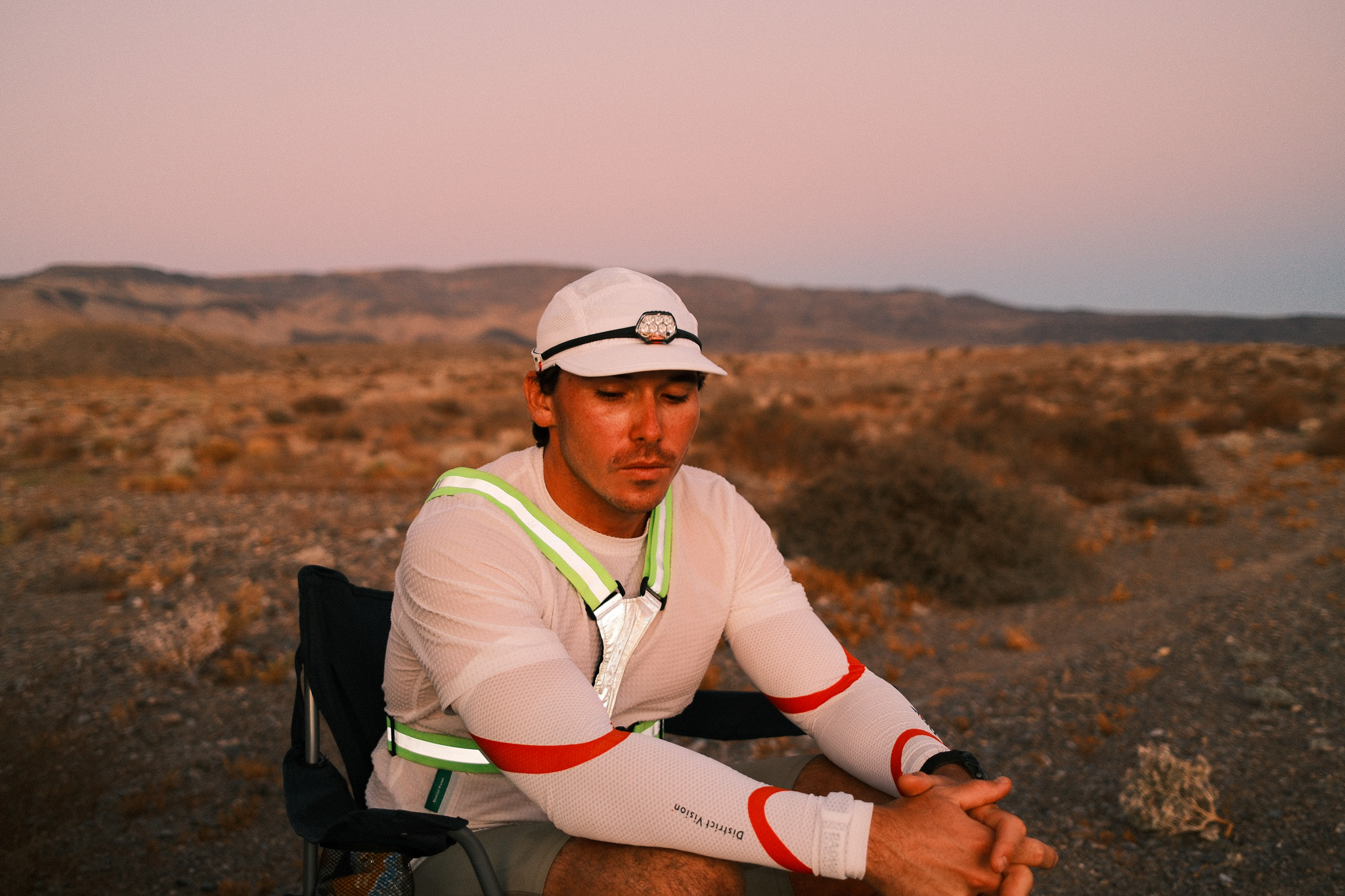
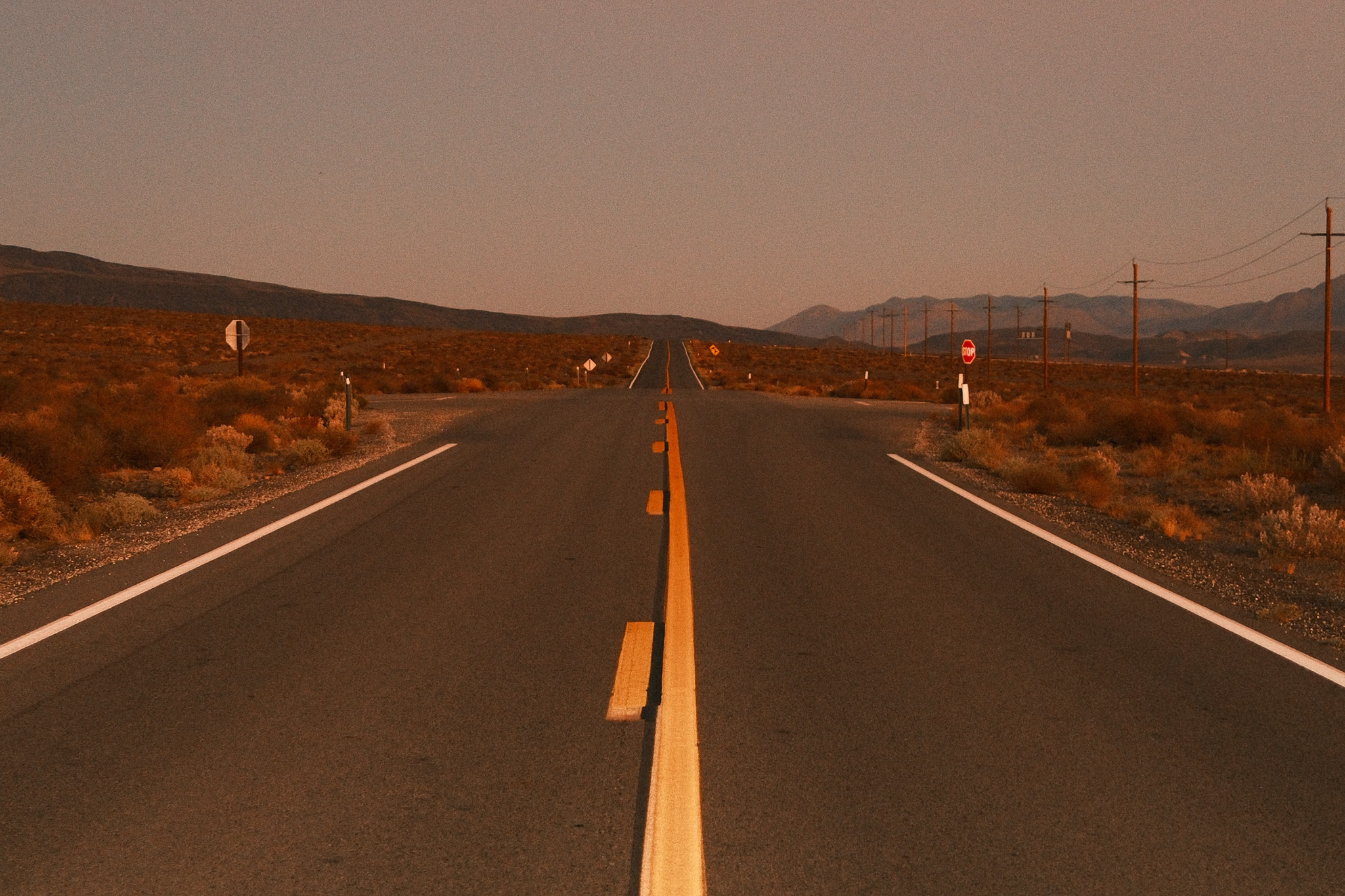
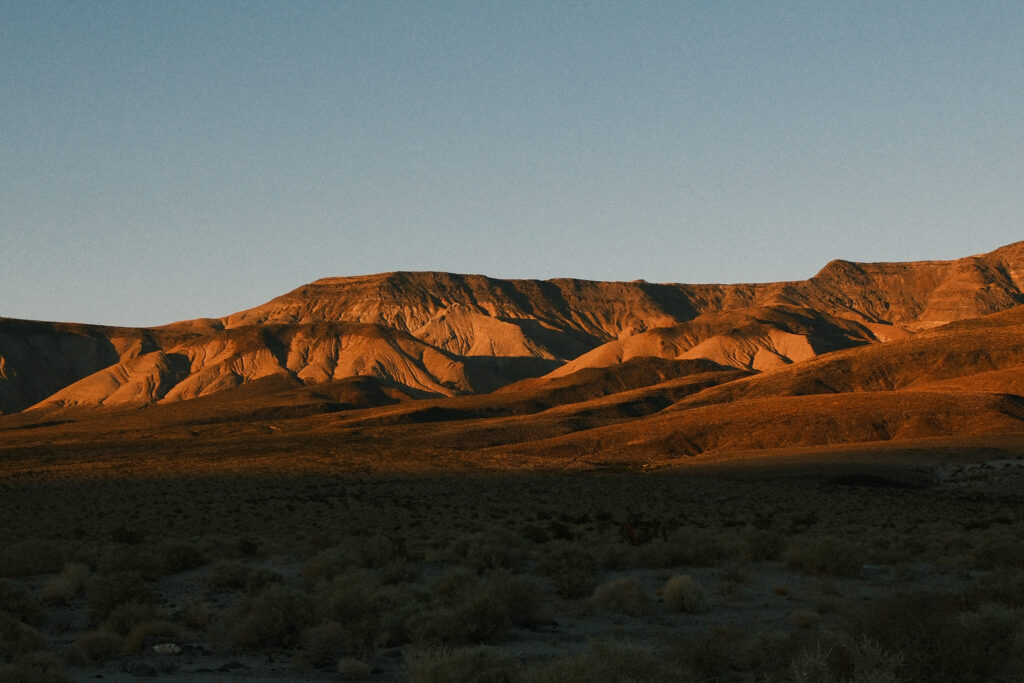
The sunrises and sunsets in Death Valley were some of the most beautiful I’ve ever seen. At times, I genuinely felt like I was standing on another planet.
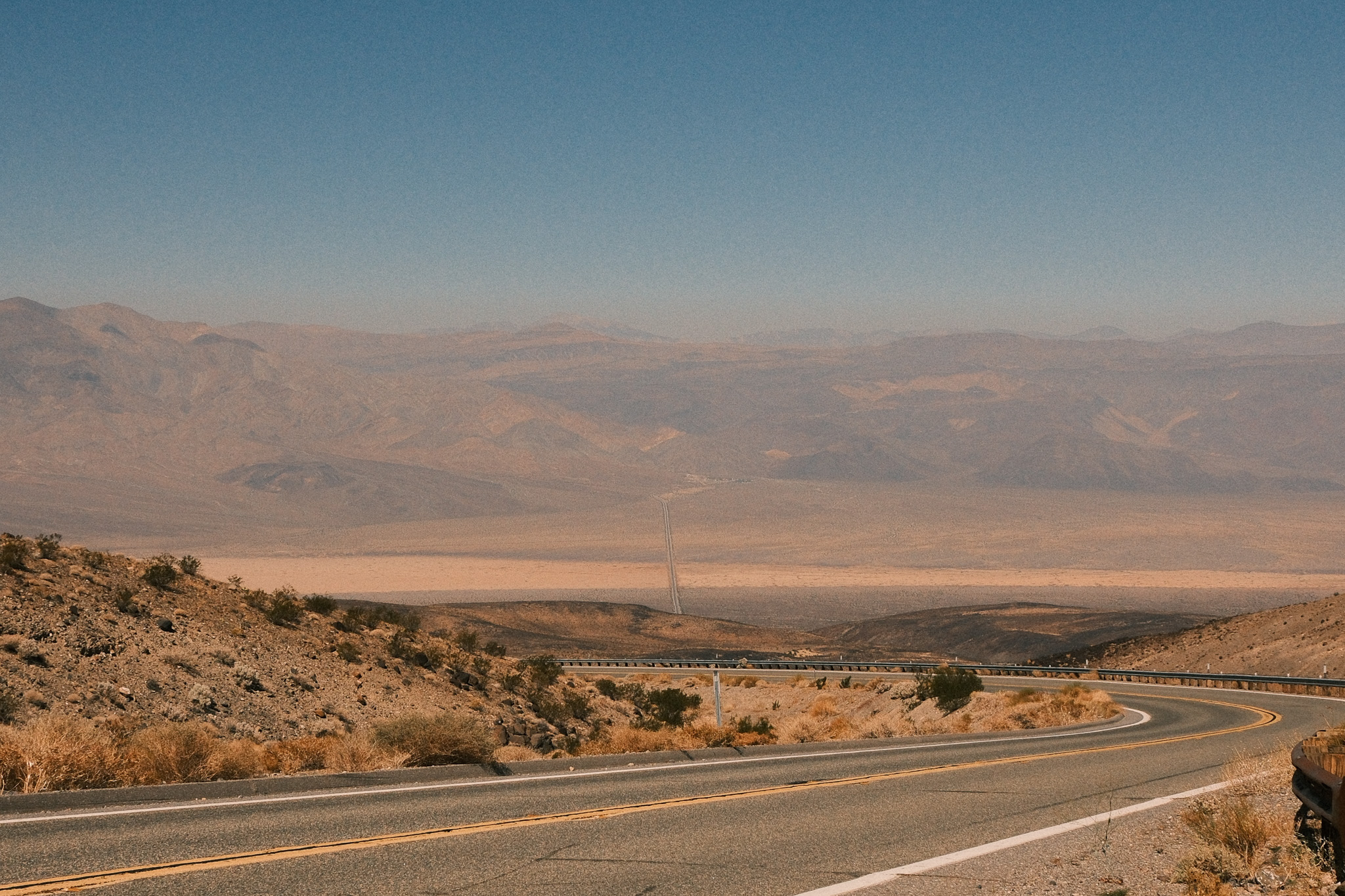
Coming from Florida, where everything is flat, Death Valley almost didn’t look real. Mountain ranges stretched as far as my eyes could see. The colors changed throughout the day. The desert would go from brutally hot and unforgiving to completely still and beautiful.
I found a lot of beauty in that.
I felt small.
I felt alive.
And I felt closer to God.
It’s difficult to explain exactly what I felt out there, but it was spiritual for sure. When you’re surrounded by something so massive and so beautiful, with nothing but mountains, desert, sky, and the people next to you, you realize how small you really are.
And strangely, I loved that feeling.
There was no phone call I needed to take or problem I needed to solve that felt important in those moments. Life became incredibly simple.
Take care of our friend.
Watch the sunset.
Look at the mountains.
Be present.
That feeling has stuck with me more than I expected it to.
The Climb to Mount Whitney
Eventually, we entered Lone Pine, and the final part of the journey was sitting directly in front of us.
Mount Whitney.
The final 13 miles were an ascent toward the finish line, and after everything Nick had already put his body through, he still had to climb.
At that point, he was deep into the pain and sleep deprivation. He power hiked his way up the mountain, continuing to push as the road got steeper.
But if you know Nick, you know this is where he thrives.
When things get uncomfortable, when his body hurts, when most people would start looking for a reason to stop—that’s when Nick seems to find another gear.
So we kept moving up Mount Whitney with him.
Eventually, we made the final turn.
And there it was.
The finish line.
After 135 miles of Death Valley, extreme heat, hallucinations, sleep deprivation, endless bottles of water, ice, sodium, food, minivan stops, sunrises, sunsets, mountains and suffering, we could finally see where this whole thing ended.
I was lucky enough to hike that final mile alongside Nick.
That mile is something I’ll remember forever.
For almost the entire race, our job had been to get ahead of him. Drive two miles forward. Set everything up. Take care of him. Pack everything away. Repeat.
But for the final mile, there was nowhere else we needed to go.
We just got to walk with our friend.
As we approached the finish, the rest of the crew joined us and we were able to cross the finish line together.
Nick ran 135 miles.
But somehow, crossing that finish line felt like a win for all of us.
More Than a Race
I went to Death Valley thinking I was going there to crew Nick Cerbone through Badwater 135.
I came home realizing I experienced something much bigger than a race.
The four of us were there to help one person accomplish something that, from the outside, almost seems impossible. We were exhausted, sleep deprived, hot, dirty, and operating out of a minivan in the middle of one of the most unforgiving environments on Earth.
And I absolutely loved it.
There was something incredibly simple about those couple of days. There were no emails to answer. No meetings. No business problems. No distractions. Our entire world had been reduced to one mission:
Get Nick to Mount Whitney.
Watching a friend put himself through that kind of suffering in pursuit of a goal changes your perspective. There were moments where Nick looked strong and moments where you could see the race taking everything out of him.
But he kept moving.
One mile at a time.
One stop at a time.
One step at a time.
Badwater reminded me why I’m so drawn to endurance sports and people who are willing to push themselves into uncomfortable places.
But I think the biggest thing I took home from Death Valley had nothing to do with running.
There is an incredible feeling that comes from showing up for someone else.
We spend so much of our lives chasing our own goals, building our own businesses, running our own races, and worrying about what comes next for us.
For those couple of days, none of that mattered.
The goal belonged to Nick.
Our job was simply to help him reach it.
And when we finally crossed that finish line together at Mount Whitney, I understood something I hope I never forget:
Sometimes the most meaningful finish lines you cross aren’t your own.